Joint Industry Project – An industry collaboration to strengthen Norwegian diving medicine research
Norway depends on offshore and inshore diving and will continue to do so for many years to come. We therefore need qualified diving physicians, healthcare personnel, and active research environments to ensure that such activities can take place safely.
About the project
The project is a collaboration between several offshore companies, Helse Bergen, and NTNU aimed at strengthening key research environments in Norway within diving medicine. The research will provide better knowledge of how the body adapts to the special conditions encountered during professional diving. We are particularly interested in the biological details underlying known physiological adaptations. We are also interested in understanding what happens when the adaptation fails.
The project will investigate biological mechanisms and search for biomarkers that can distinguish between healthy adaptation and potentially dangerous responses, such as decompression sickness. An important role of the collaboration is also to stimulate increased recruitment to diving medicine and related academic fields.
Why is this important?
Norway depends on offshore and inshore diving and will continue to do so for many years to come. This is especially important in today’s situation, with an increased need for preparedness.
We therefore need qualified diving physicians, healthcare personnel, and active research environments to ensure that such activities can take place safely. Professional diving remains an occupation with a high risk of injury. Consequently, research-based knowledge is required to ensure that divers can work safely over a long career. If incidents happen, we need to be able to provide effective and precise follow-up for each individual diver.
Who is behind the project?
The initiative for the project comes from the industry itself, through the industry organization Offshore Norway, and includes Equinor, Aker BP, Subsea7, Vår Energi, and Gassco.
In addition to NTNU, the project involves collaboration between Haukeland University Hospital and research groups at several other institutions, including the University of Bergen, the Diver Education at the Western Norway University of Applied Sciences (HVL), Nordland Hospital, and the University of Western Brittany.
What will we do?
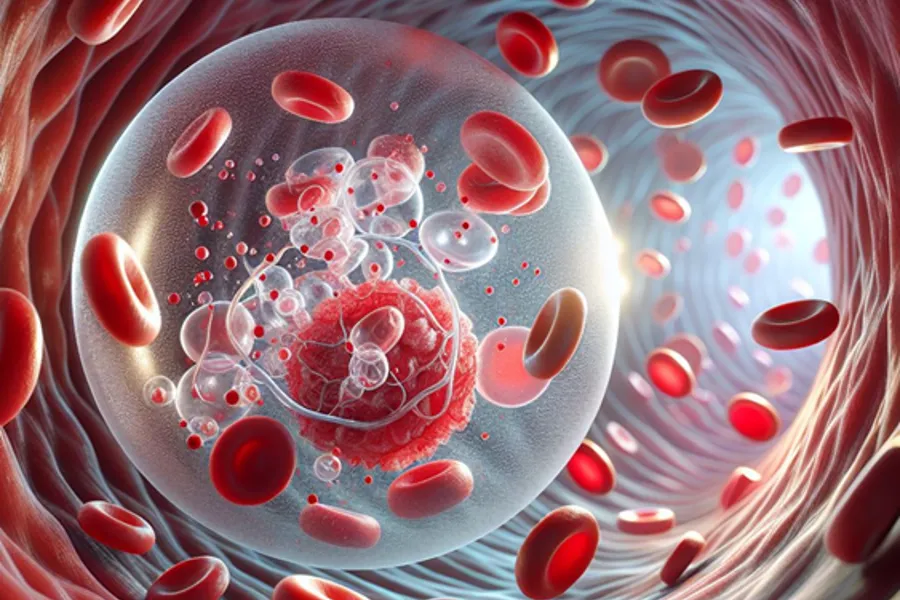
In the project, we will compare biological responses during simulated diving in laboratory experiments with biological changes observed in samples from professional divers. The laboratory experiments will use relevant model systems such as human cells and blood models, and will be conducted at the Hyperbaric Cell Laboratory at Haukeland.
We will also collect biological samples (blood and urine) from offshore divers and from students in the Diver Education at the Western Norway University of Applied Sciences. These samples will be prepared for further analysis and stored in biobanks at Haukeland and NTNU.
Comprehensive analyses will be conducted on samples from both divers and laboratory experiments to monitor responses in cell signalling and metabolism. The project will also make use of data modelling and digital tools.
Student and interested in participating in the research project?
We are interested in students in medicine and relevant master programs who would like to participate in the project. We offer thesis projects – please get in touch if you would like to hear more!