ADHD
ADHD (Attention Deficit Hyperactivity Disorder) is a neurodevelopmental disorder that one lives with, and which therefore requires that one finds good coping strategies for oneself throughout life. This disorder is found in children, adolescents and adults, and in all genders. Currently, we see that more boys than girls are diagnosed with this diagnosis. Core symptoms of ADHD are attention deficit disorder, impulsivity and hyperactivity, and these can occur to varying degrees between individuals.
Work package H3 ADHD is led by Emilie Sektnan Nordby from Bergen Health. PhD fellow Maren Storetvedt works together with researchers, content developers, clinicians and a resource group from the Child and Adolescent Mental Health Clinic in Bergen Health to develop, test and evaluate the digital treatment and self-help intervention.
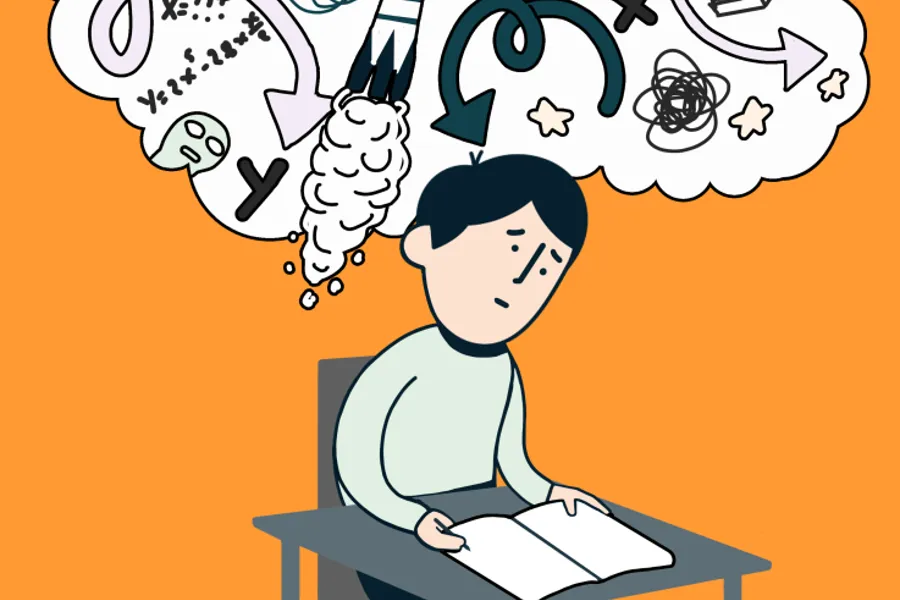
These core symptoms are reflected in various difficulties in life. Some may be easily distracted, some have difficulty getting started with tasks, while others experience racing thoughts or a restlessness in the body. Many also experience emotional and social difficulties, or more general behavioral difficulties or physical difficulties. These challenges can also be expressed in different ways throughout life.
In work package H3 ADHD we will develop a coping tool that will help young people between the ages of 13-15 to understand and manage their challenges related to their ADHD. Through knowledge-based user participation, we will investigate how young people experience their everyday lives with ADHD, what makes everyday life difficult, and what they themselves would like to receive help with in order to experience managing their ADHD. We will also examine the experiences of those who will help, and of parents of young people with ADHD.
The goal of the digital treatment and self-help intervention, which we will develop and make available via www.ung.no, is to provide increased knowledge and understanding of ADHD to people diagnosed with this condition and to their relatives. Through the program, we want young people to experience reduced symptoms of ADHD in everyday life, and thus better functioning in everyday life at home, better well-being and coping. We want to prevent the development of additional difficulties, and for young people to learn to use resources in the best possible way. We will investigate this by involving users along the way with user testing, and we will conduct a clinical efficacy study of the digital treatment in the spring of 2024.