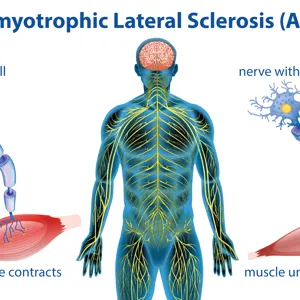
At Neuro-SysMed, ALS research is a key priority. By combining clinical expertise with cutting-edge research, we aim to uncover the biological mechanisms that drive the disease and translate new discoveries into better care and treatment for patients.
ALS affects people in different ways. Symptoms often begin with weakness in the arms or legs, while some individuals first notice changes in speech or swallowing. The course of the disease varies from person to person, highlighting the need for more personalized approaches to diagnosis and treatment.
In recent years, important advances have been made in our understanding of the genetic and biological factors involved in ALS. These discoveries are helping us identify promising new treatment strategies and biomarkers that may enable earlier diagnosis, better monitoring of disease progression, and more targeted therapies.
Our ALS research aims to:
- improve our understanding of the causes and underlying mechanisms of ALS
- identify biomarkers that can support earlier diagnosis and more precise disease monitoring
- evaluate promising new treatments through clinical studies
- accelerate the development of therapies that can slow or alter disease progression
- improve quality of life and care for people living with ALS
- bring innovative research opportunities to patients in Norway
Through clinical studies, we strive to give patients access to cutting-edge research while contributing to the global effort to develop more effective treatments for ALS in the future.
Neuro-SysMed currently runs the following clinical trials on ALS:
- The NO-ALS study: a phase-II, multicentre, double-blinded randomised clinical trial of oral NR and pterostilbene in early ALS
- The NO-ALS extension study: an open label study of longterm therapy with NR and pterostilbene in ALS
- The STRAT-ALS study: an initiative to stratify amyotrophic lateral sclerosis
- The ALS LTMV study: effects of long-term ventilation support on the quality of life of ALS patients and their families
- The CARDINALS Study