What do gastrointestinal researchers say about the new fiber trend?
On social media, we are constantly given advice encouraging us to increase our fiber intake—so-called “fiber maxxing”—and many people are now focused on including more fiber in their diets.
Doctoral research fellow and nutritionist Camilla Thuen is positive about the increased attention that the “fiber maxxing” trend brings. She emphasizes that it is important to include enough fiber in our diet. According to the 2023 Norkost survey, nearly half of Norwegians do not consume the recommended amount of fiber. At the same time, it is advised not to focus solely on fiber.
Camilla Thuen is affiliated with the Gastrointestinal School at Haukeland University Hospital, which offers online treatment for irritable bowel syndrome (IBS), and she is one of 20 partners in Forhelse SFI (Centre for Research Innovation).

Why is fiber so important in the diet?
Fiber consists of carbohydrates that are not digested in the small intestine but instead pass on to the large intestine. Nutrition expert Thuen explains that fiber is important for satiety, digestion, gut health, and maintaining stable blood sugar levels. It is also known that fiber helps prevent obesity, cardiovascular disease, type 2 diabetes, and colo cancer.
What are the experts’ dietary recommendations for fiber?
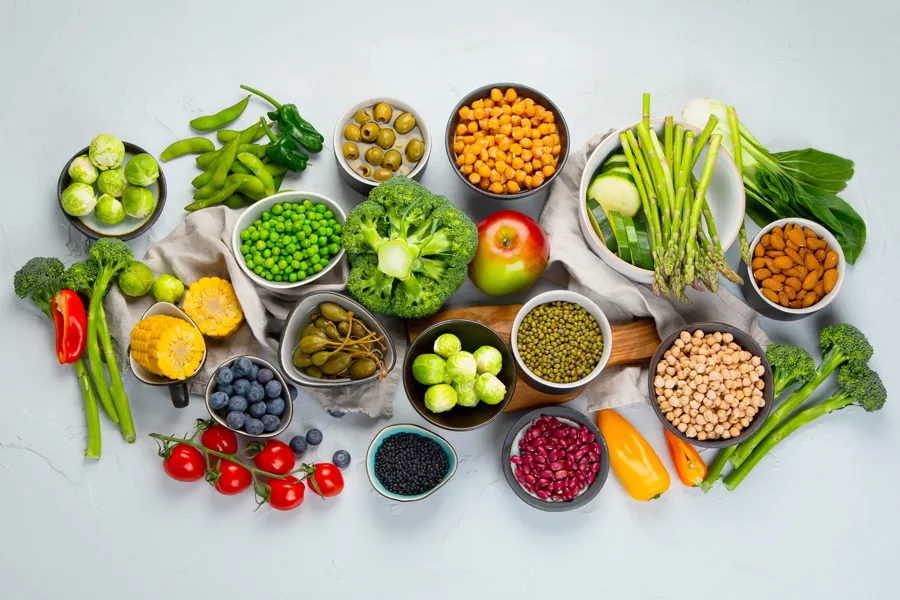
We need 25–35 grams of fiber daily in our diet. Fiber is found in plant-based foods, and recommended sources include:
- Bread and crispbread with at least three out of four marks on the whole-grain scale
- Oats and whole-grain cereals
- Fruit and berries
- Vegetables
- Nuts, almonds, and seeds (a handful of unsalted nuts daily is recommended)
- Beans, lentils, and chickpeas (which can replace meat)
- Barley
Focus on eating a varied diet
If you eat more fiber-rich foods, you will also get other nutrients, Camilla notes. However, she emphasizes the importance of eating as varied and raw-based as possible, and not focusing solely on fiber. A clear recommendation is to get fiber from food rather than supplements.
Establish lasting habits
The most important thing is to establish good habits, such as always having fruits and vegetables readily available. It is recommended to eat 5–8 handfuls of fruits and vegetables daily. A simple rule is to fill half your dinner plate with vegetables. Raw, chopped vegetables can also be served as a tapas-style dish for those who do not enjoy cooked vegetables.
Too much fiber can cause digestive issues
Fiber is beneficial, but it is important not to increase intake too quickly, as this can cause discomfort and digestive problems such as constipation and bloating. It is also important to drink more fluids, since fiber requires liquid. Certain types of fiber can also cause digestive discomfort, such as fruit peels, whole grains, and bran. In such cases, people may think they cannot tolerate fiber, even if that is not actually true, says Camilla Thuen.
Simple and affordable everyday tips
- Add lentils to minced meat
- Replace rice with barley
- Swap regular pasta for whole-grain pasta
- Add chia seeds, fruit, and berries to oatmeal
- Chickpeas can be dried and used as a snack
----------------------------------------------
Listen to an interview about “fiber maxxing” with Camilla Thuen on NRK Radio Vestland (in norwegian).
Also read the interview with the local newspaper BA, May 2026 (subscription required).

Photo: Skjalg Ekeland, BA

Photo: Skjalg Ekeland, BA
More information about the Gastrointestinal School at Haukeland University Hospital.