Pathology in Bergen: A Look Back at 2025
When we look back on 2025 and think about what truly mattered for advancing pathology services, we realize how important it is to keep our progress in mind—otherwise, it’s easy to get lost in the challenges and the sometimes-slow pace of development.
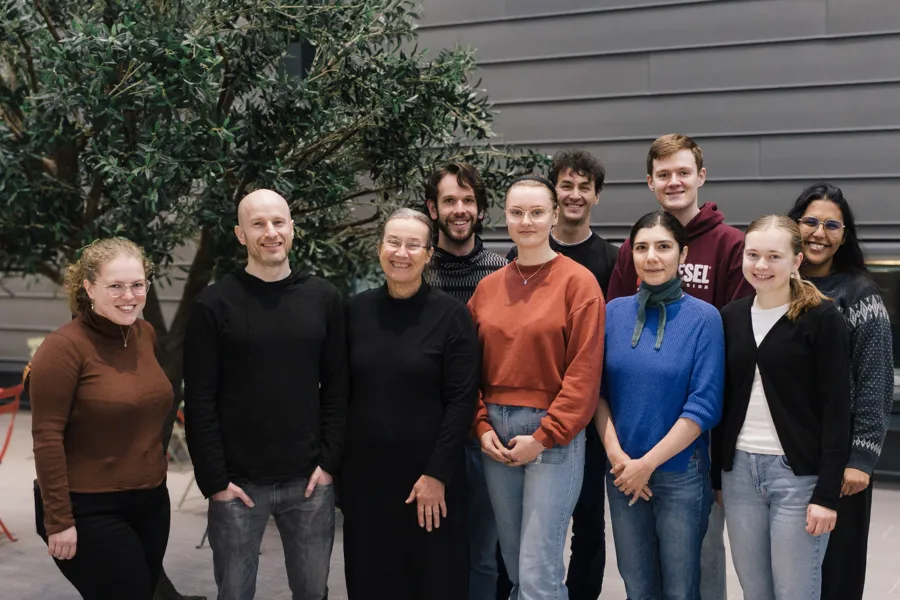
We are a regional project, and one of our biggest hurdles is geographical distance, with teams in Bergen and Stavanger. What has proven incredibly valuable are our project retreats—spending two to three days together in one place. In autumn 2024, we met at Haukeliseter, and in spring 2025, we gathered on Røvær, a small island near Haugesund. These retreats always include status updates from each subproject, but they also give us space to reflect on the group’s direction, reconsider priorities, and even change course when needed.
At Haukeliseter, one focus was a SWOT analysis—Strengths, Weaknesses, Opportunities, and Threats. On Røvær, we spent hours discussing how to design a validation study for introducing a commercial AI tool. Yes, that’s one of PiV’s major developments in the last year: we want to explore the implementation of commercial AI tools—moving into “implementation research.” Building on previous innovation funding for acquiring two AI tools, we secured follow-up funding for the project “From Pixels to Practice: Building a Framework for Validation and Impact Assessment of AI Tools in Pathology.” This initiative will be part of Jennifer’s PhD project on introducing AI tools into pathology practice. Key questions include: What do pathologists expect? What are their experiences? How do we validate an AI tool? And most importantly—what are the real benefits, if any? Our use cases are detecting and grading prostate carcinoma and quantifying the proliferation marker Ki67 in breast carcinoma.
Implementation Research
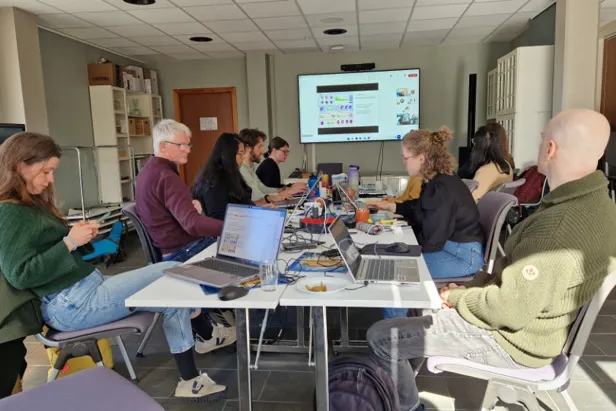
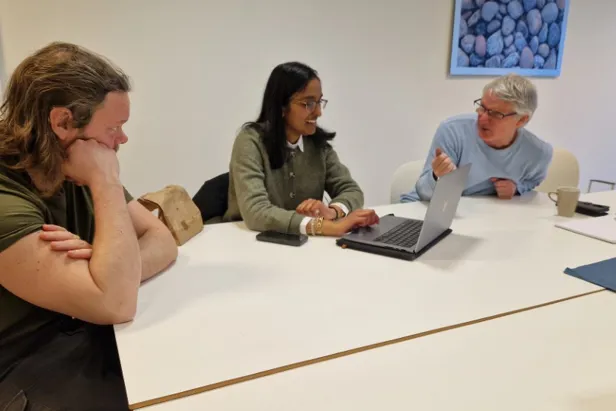
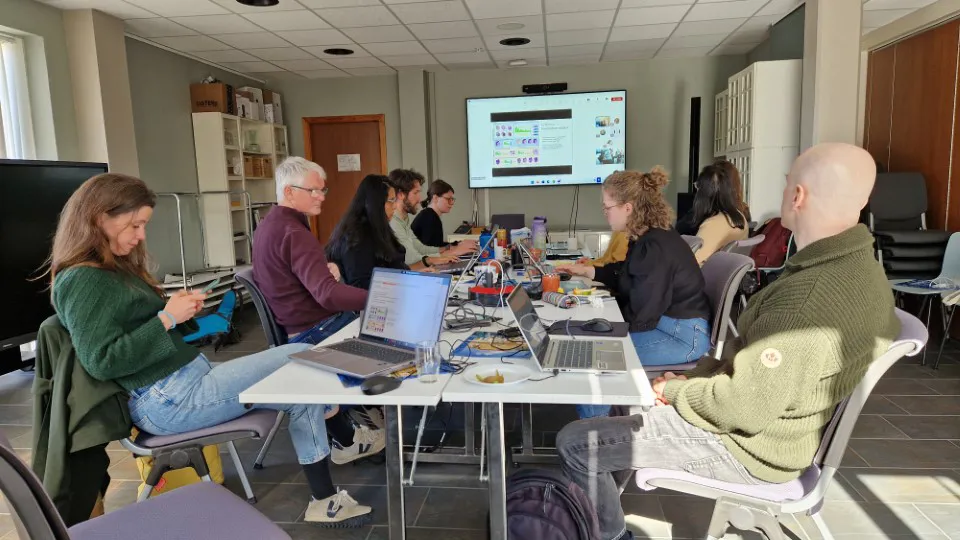
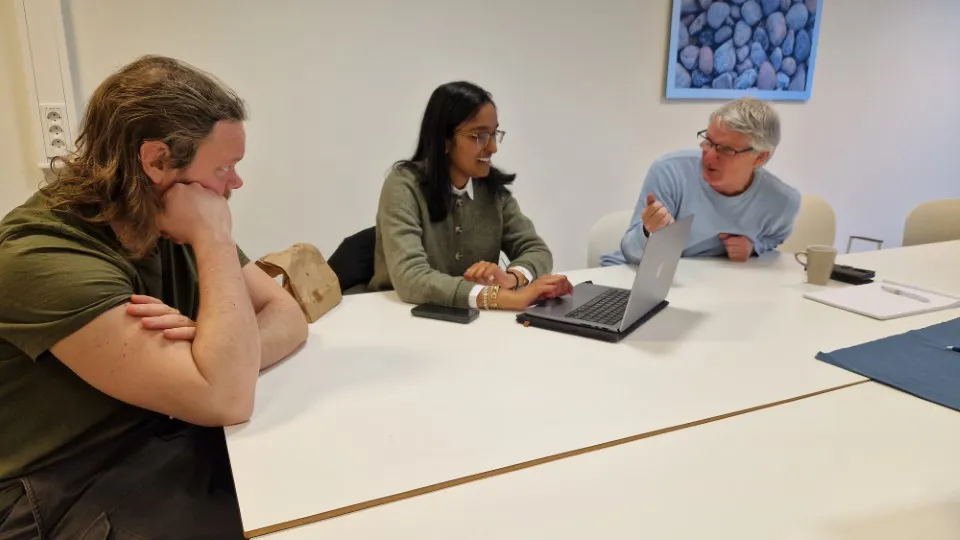
Unfortunately, we couldn’t hold a retreat in autumn 2025 because the Stavanger team was tied up with moving into a new hospital. Instead, we took two afternoons in Bergen to reflect on the value we create. The goal was to end up with one statement defining the value our project provides. This sounds simple—but it isn’t. We planned to approach this by thinking about our values, users, relationships, and activities using a business model canvas—not for business, but for academic value creation. That discussion led to a surprise. Initially, we thought: of course, we’re creating tools for pathologists—like counting glomeruli and identifying glomerular changes in kidney biopsies. But the more we talked, the clearer it became that our real value lies elsewhere: standardization, saving time and resources, enabling better diagnoses, and consequently improving treatment for patients. The tools are just the means to achieve these outcomes. The time was too short to finalize the statement, so we will definitely continue defining our value proposition in 2026.
Now, back to the tangible outputs people expect from a strategic project: publications. Here in Bergen, we can finally say—at last! —the papers we’ve worked on for years are coming out. The article on “Quantitative Analysis of Ki67 in Neuroendocrine Tumors of the Gastrointestinal Tract” (WP1) is published after a challenging journey. The first paper on quantifying interstitial fibrosis in kidney biopsies (WP2) is out as a preprint, with more to follow. We’ve managed to annotate sclerosed and non-sclerosed glomeruli without requiring a pathologist to label the structures and published the study “Unsupervised learning for labeling global glomerulosclerosis” (WP6), and several methodological papers are now available as preprints or conference proceeding. We are especially happy to have secured a PhD scholarship for Maya, who will explore using AI to identify novel digital biomarkers for chronic kidney disease by learning prognostic patterns from biopsy images in an unbiased way.
We feel we’re on the right track.
One exciting initiative for 2026, prepared during 2025, is working with Helse Vest IKT to implement our own tools—so-called “laboratory-developed tests” (LDTs)—in diagnostic systems.
Our regional center, COMPAT VEST (Computer-Assisted Pathology Diagnostics in the Western Norway Health Region), isn’t established yet, but we’re moving steadily toward that goal. We’ve received positive signals from the regional health authority, and the NorPreM report “Implementering av KI-løsninger i patologidiagnostikk”(Implementation of AI Solutions in Pathology Diagnostics)—where three PiV members contributed—has helped too. One of the recommendations in this report was to establish regional and national support structures for implementation and maintenance of AI tools in pathology.
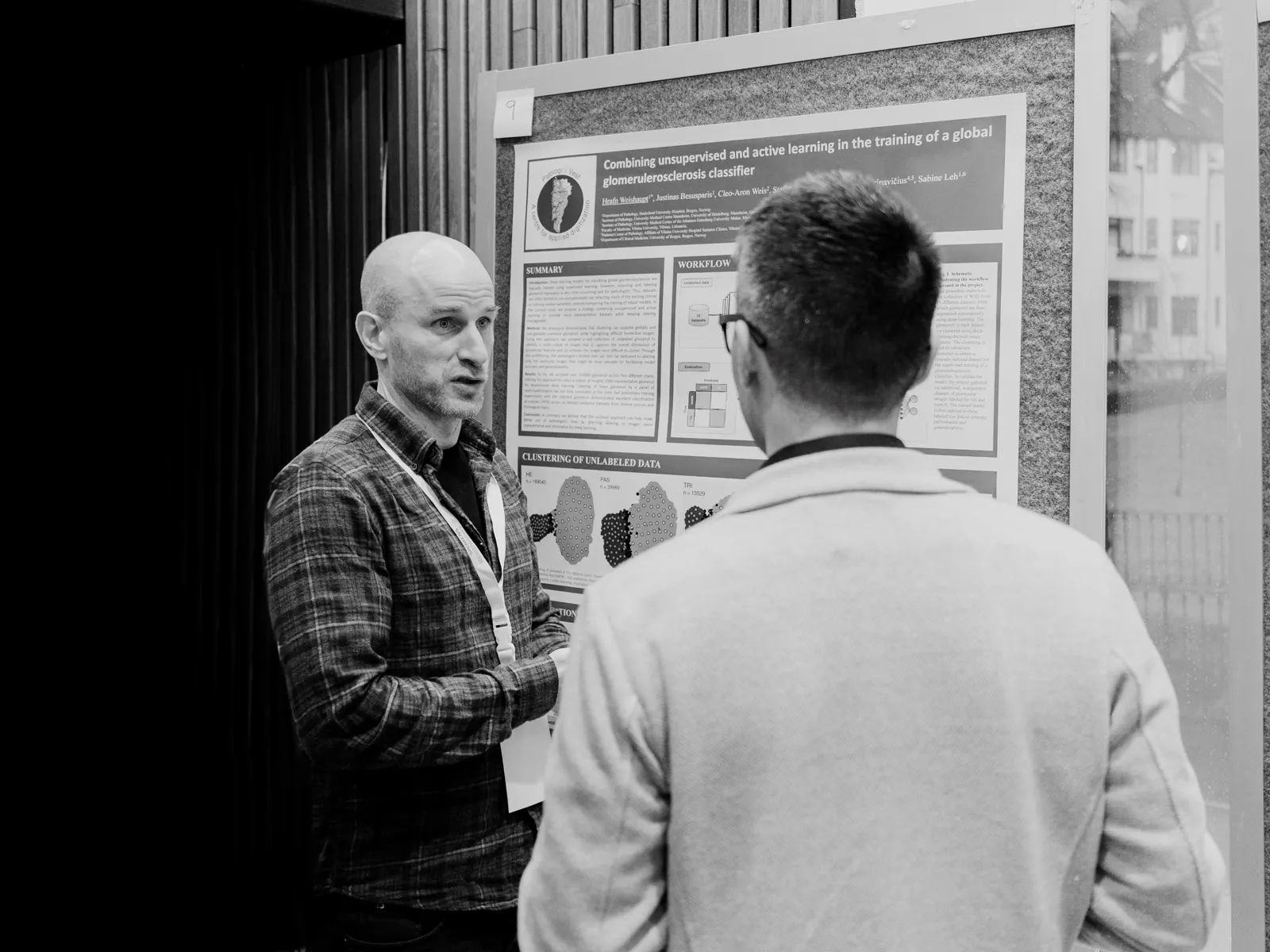
Research also means travel to present results, and 2025 was no exception. We started with the Helseinnovasjonskonferanse in Førde in January and ended with the MMIV conference in Bergen in December. Internationally, PiV was represented at the European Congress of Digital Pathology (ECDP) in Barcelona, MICCAI in Daejeon, and ASDP in Mumbai.
MMIV Conference 2025
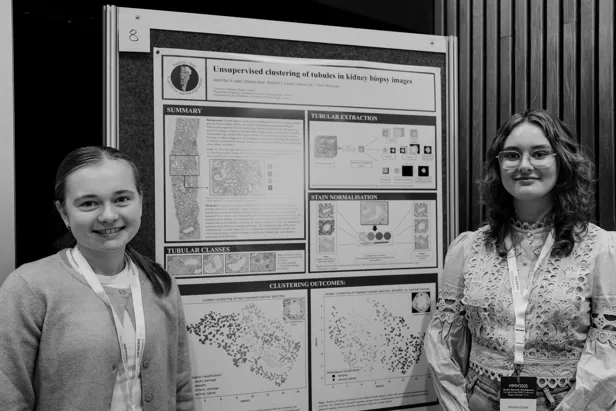
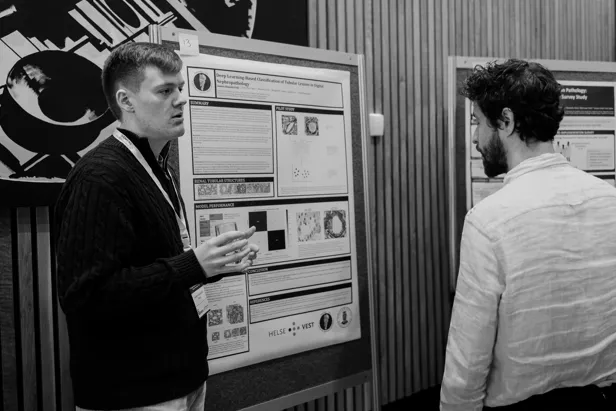
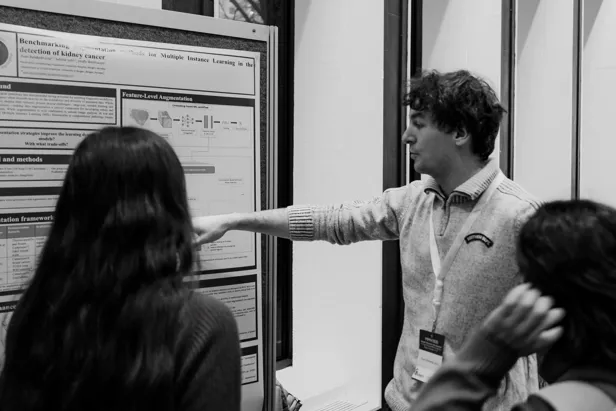
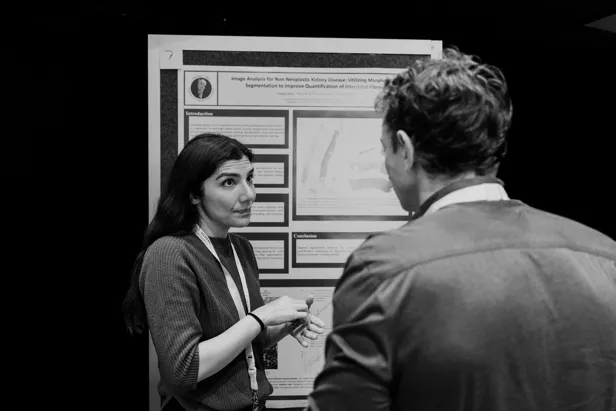
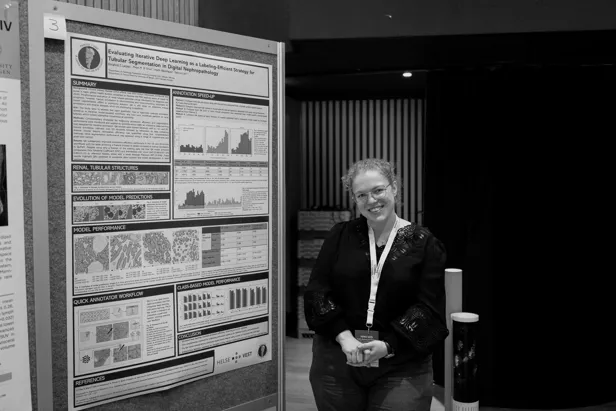
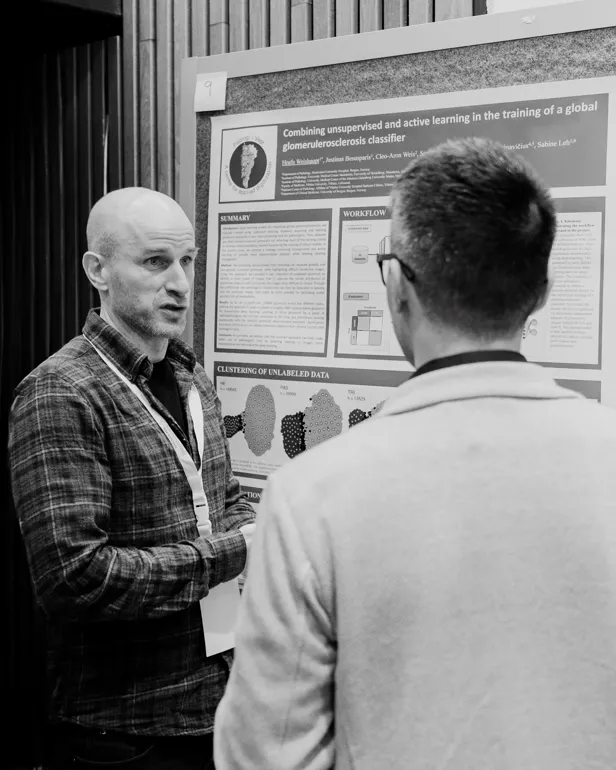
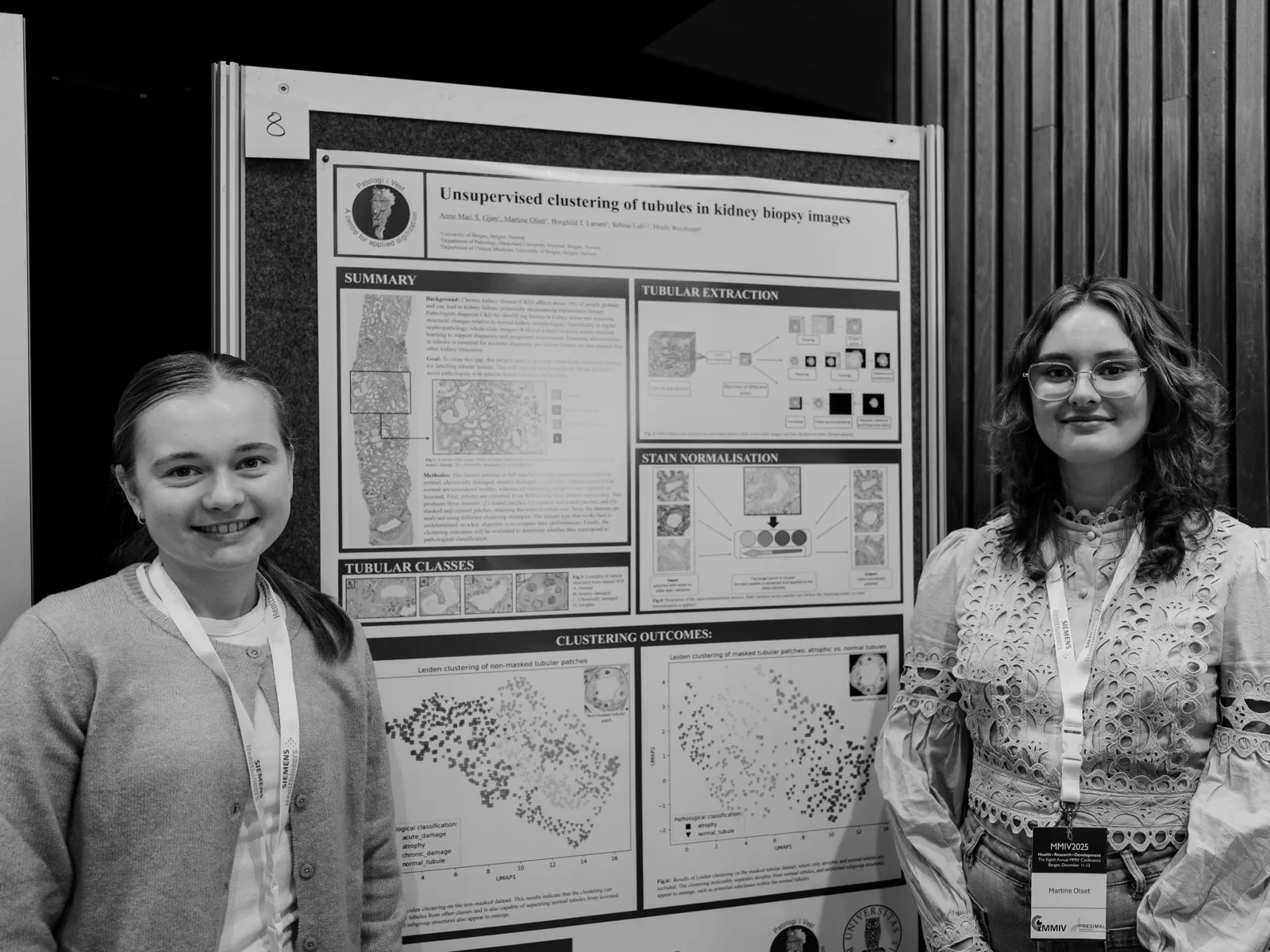
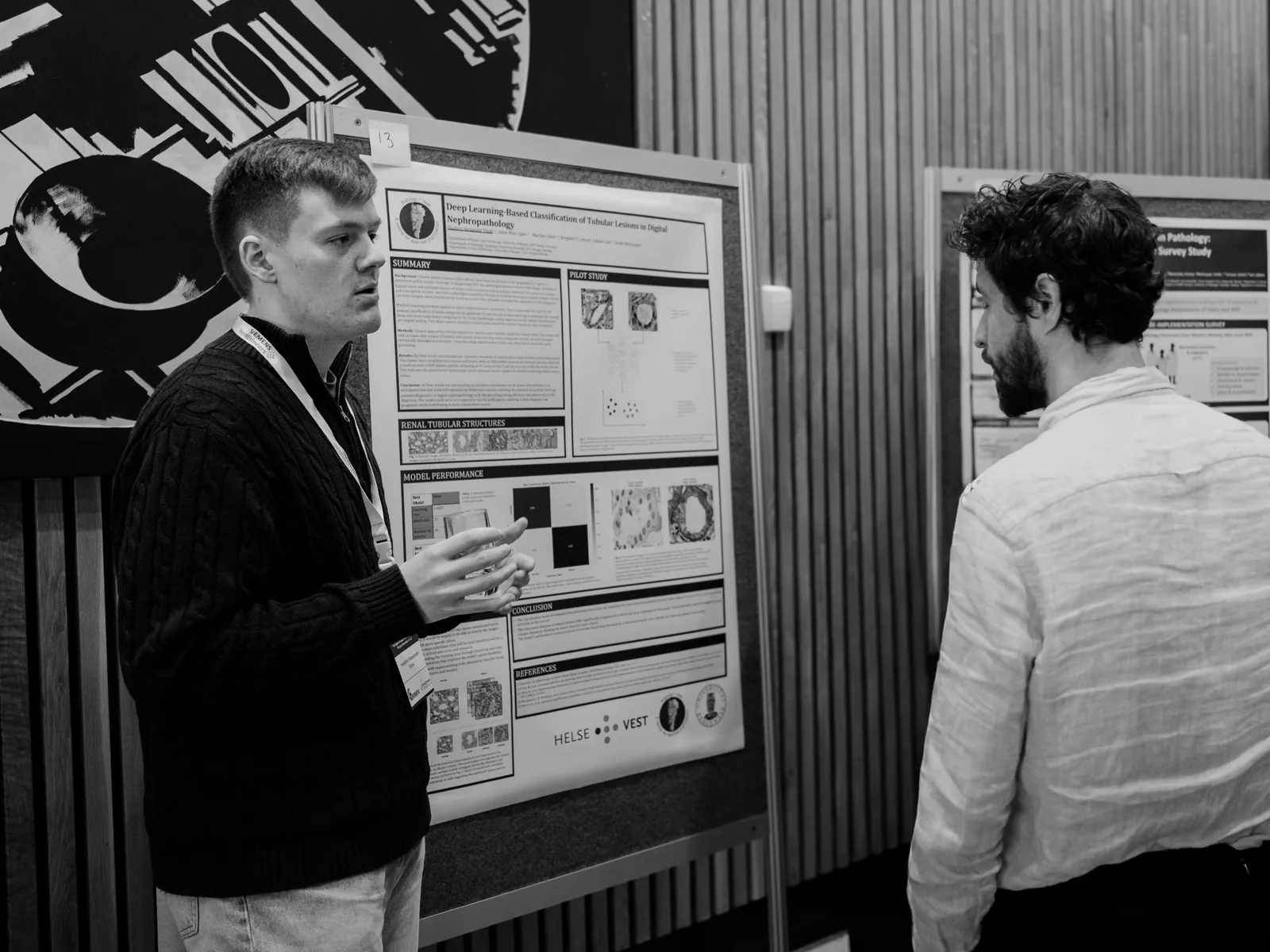
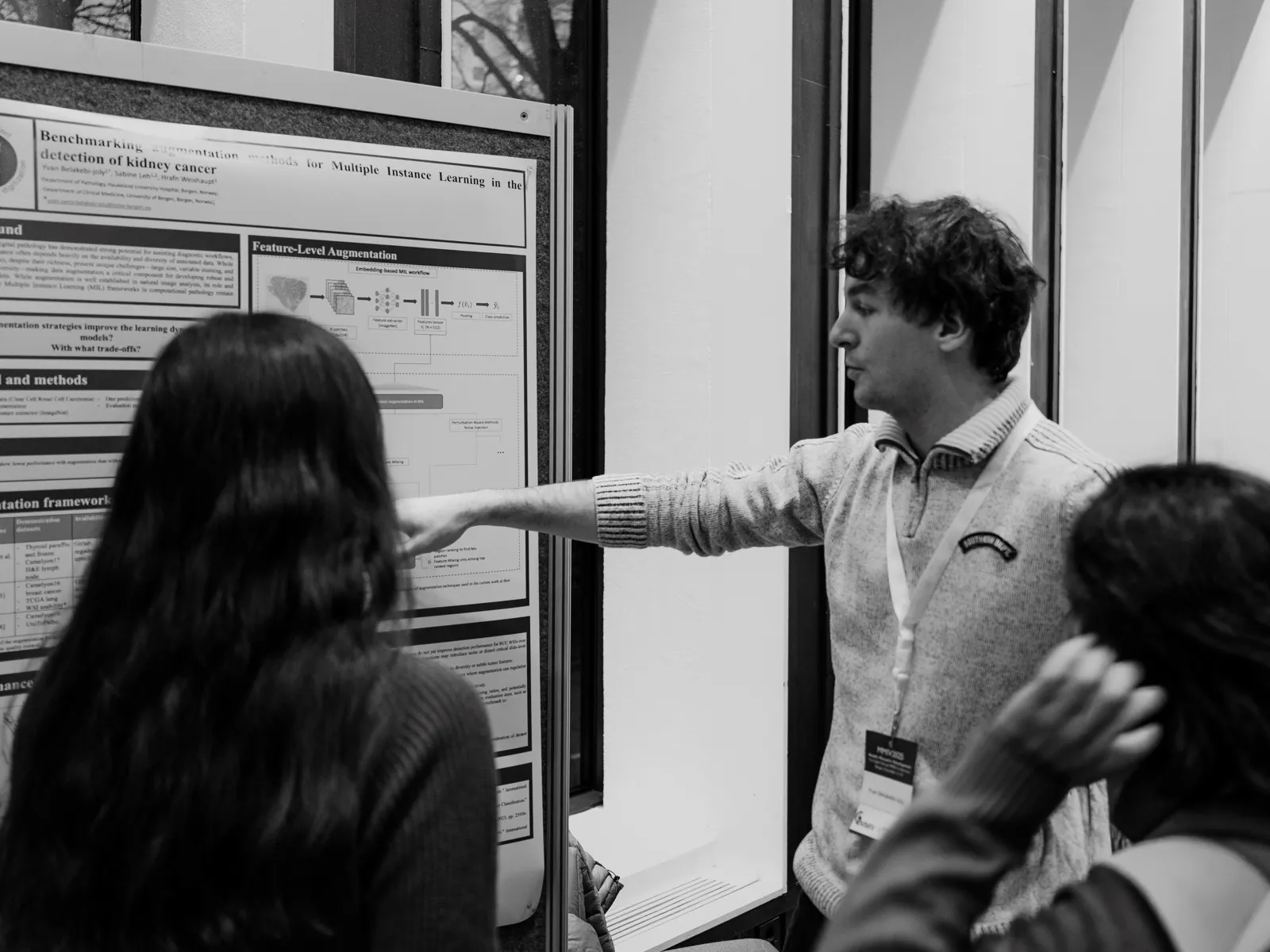
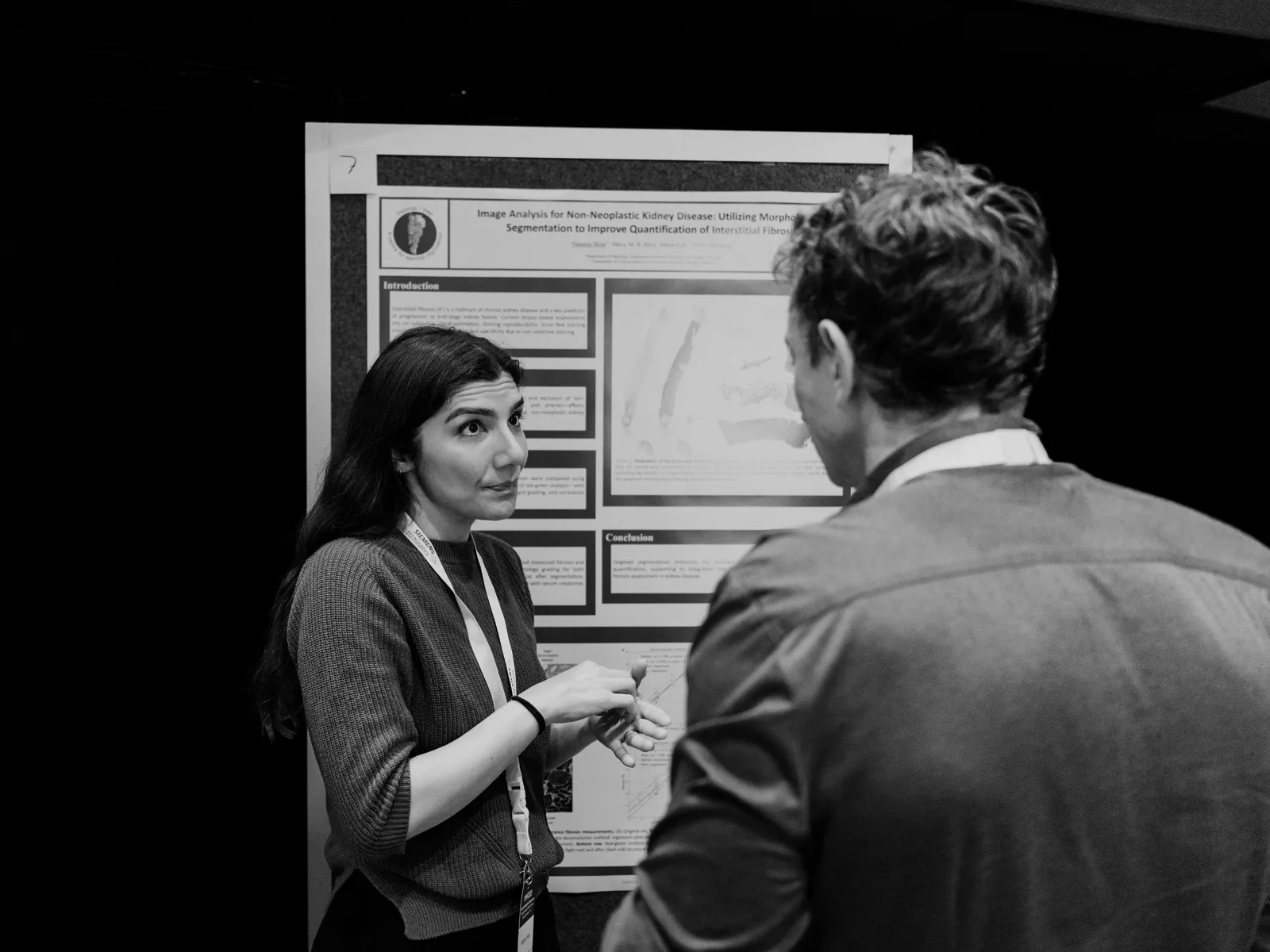
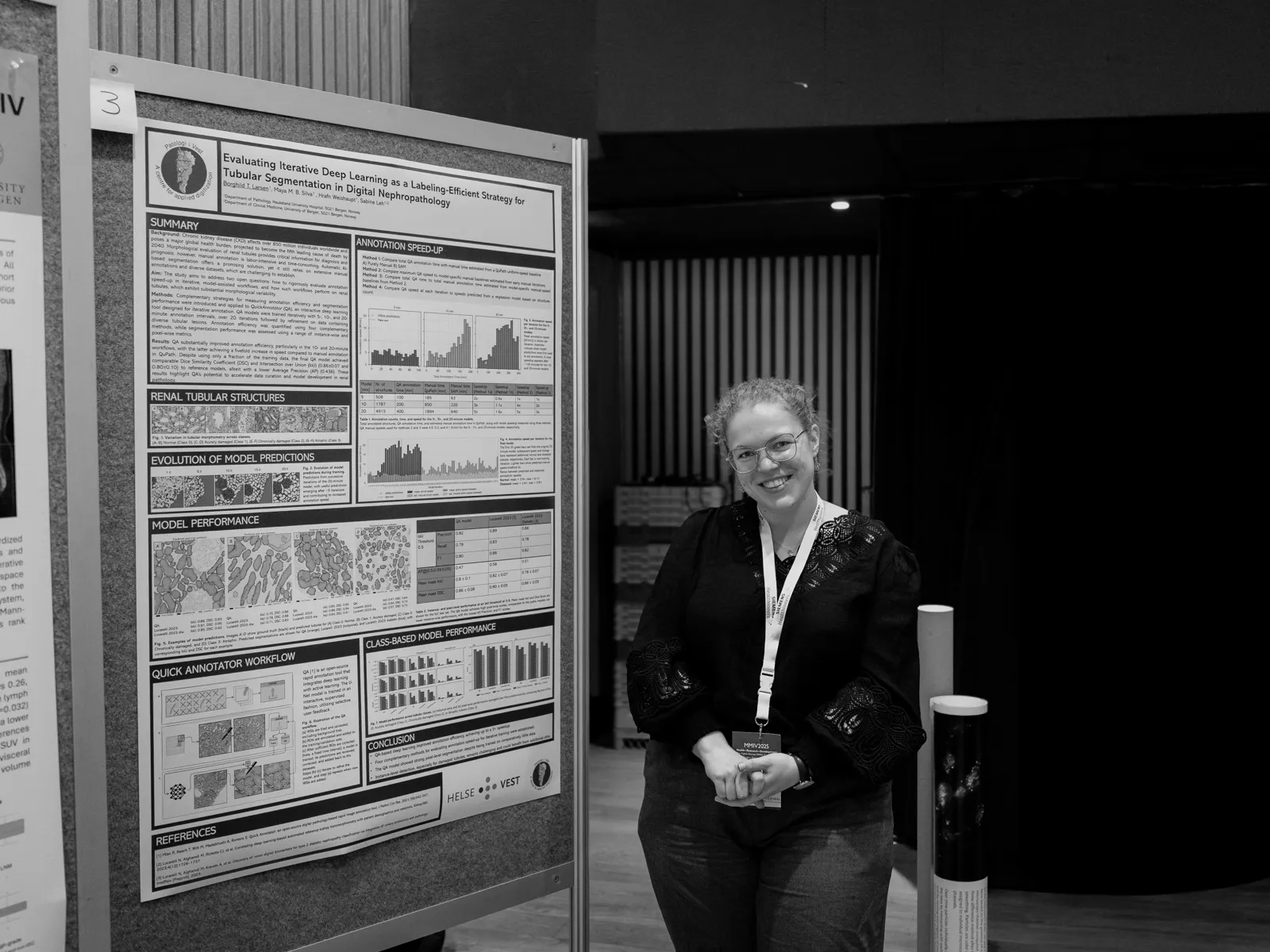
We are used to presenting results at conferences where the audience genuinely understands our research because they are doing similar work. What is much more difficult is explaining to our end-users—the clinicians and patients—the context of our research, how it works, what the risks are, and what benefits can be expected. Therefore, together with Viten TV from the University of Bergen, we produced a 10-minute video about our project: pathology processes, microscopy, developing AI tools for pathology images, and general remarks on the significance of AI. In this video, you will meet some members of the team: Emma and Anders from Stavanger, Hrafn from Bergen, the pathology department with Hilde and Heidi, and last but not least, the leadership team with Emiel and Sabine. Enjoy!